
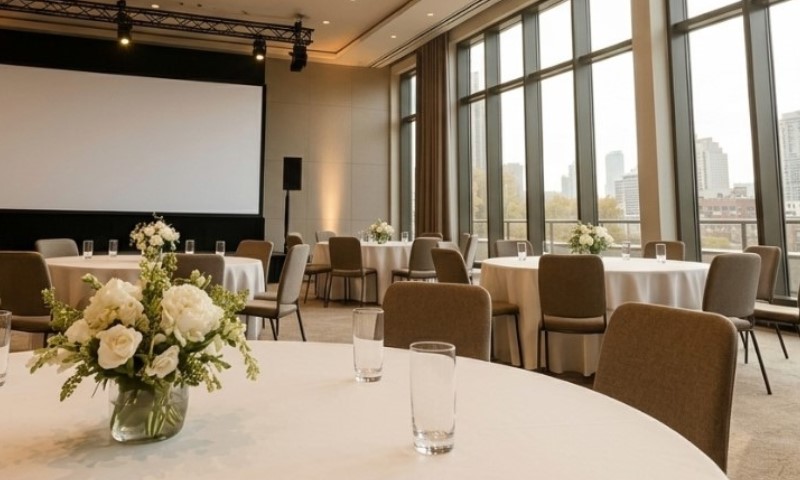
Choosing a corporate event venue involves much more than booking a room.
A venue shapes how guests feel, move, interact, and remember the occasion after it ends.
Every detail, including location, layout, service quality, technology, food, and atmosphere, contributes to the overall guest experience.
A strong venue choice can improve a company’s professional image and help attendees feel comfortable, welcomed, and well cared for.
Poor venue selection can create confusion, delays, overcrowding, technical problems, and a negative impression of the company hosting the event.
The right venue selection should support event goals, audience needs, logistics, budget, and brand image.
Define the Event Goals and Format
Clear event goals should come before venue selection.
A corporate event may be a conference, seminar, product launch, networking event, training session, board meeting, gala dinner, or company celebration.
Some events focus on education, while others are built around collaboration, celebration, lead generation, brand promotion, or employee engagement.
A venue should make that objective easier to achieve instead of creating obstacles.
Common event formats often need different venue features:
- Conference: clean, professional setting, strong acoustics, clear sightlines, dependable technology, and enough seating for presentations
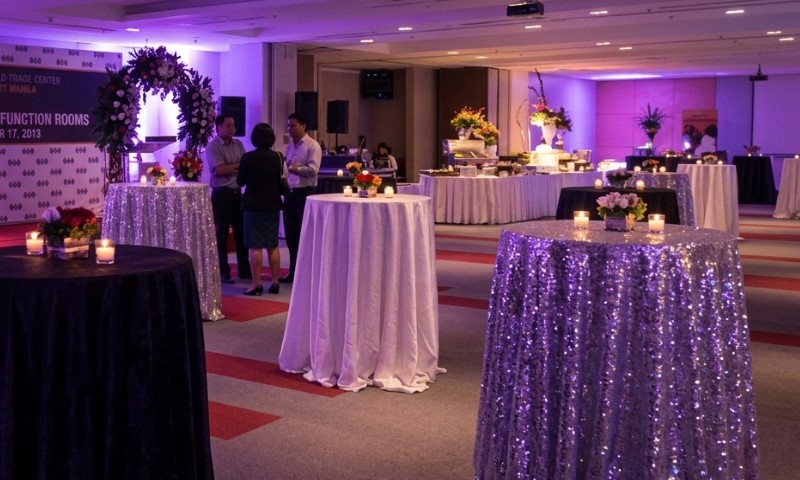
- Gala dinner: elegant atmosphere, quality dining space, attractive décor options, and smooth service
- Training session: flexible seating, breakout rooms, writing surfaces, and spaces where groups can work comfortably
Brand image also matters. A formal financial meeting may call for a polished business venue, while a creative product launch may benefit from a modern, open, visually engaging space.
Guests should leave with an impression that matches the company values and event goals.
Review Technology and Amenities
Reliable technology is essential for most corporate events. High-speed Wi-Fi should work throughout the venue, not only in the main meeting areas.
Planners should confirm bandwidth, connection limits, backup options, and support for multiple devices.
Audio and visual equipment should also be reviewed in detail. Projectors, screens, microphones, speakers, sound systems, lighting controls, and accessible power outlets can affect presentation quality.
Poor sound or weak visuals can quickly reduce audience engagement.
Hybrid and digital events need additional support. Video conferencing systems, live streaming, recording tools, cameras, interactive screens, and audience engagement platforms may be necessary.
For events in New Orleans that require temporary internet, live streaming support, exhibitor connectivity, or dedicated guest networks, planners can review WiFiT’s New Orleans event WiFi as a local event connectivity option.
Technical support staff should be available during the event to handle AV issues, connectivity problems, or equipment failures.
Amenities can improve comfort, safety, and event efficiency when they are available as part of the package:
- Climate control
- Comfortable seating
- Restrooms
- Cloakrooms
- Lounge areas
- Secure storage
- Business center support
- Concierge service
- Security
- Housekeeping
- Event coordination staff
Planners should ask which amenities are included in the package and which add extra fees.
Consider Location and Accessibility
Venue location can strongly affect attendance and guest satisfaction.
A convenient venue should be easy to reach by road, metro, public transportation, airport connections, hotels, business districts, and nearby restaurants.
Parking deserves close attention because arrival problems can affect the start of the event.
Ample parking, valet service, shuttle access, or nearby transit options can reduce stress for guests and help the event begin on time.
Lack of convenient access can lead to late arrivals, lower participation, and frustration before attendees even enter.
International events require extra planning. Visa requirements can add time, paperwork, and cost for attendees, so planners should consider travel rules early in the process.
Airport proximity, hotel availability, and easy local transportation can also make a major difference for out-of-town guests.
Accessibility planning should account for key guest needs throughout the venue:
- Entrances that allow easy access
- Elevators that connect all required areas
- Restrooms designed for mobility needs
- Seating areas with accessible options
- Ramps and pathways that allow smooth movement
A location that is difficult to reach or hard to move through can create a poor first impression and reduce attendee comfort.
Check Capacity and Layout
A space that is too small can feel crowded and stressful, while a space that is too large can make the event feel under-attended or disconnected.
Good capacity planning creates energy without sacrificing comfort. Layout options should match event activities.
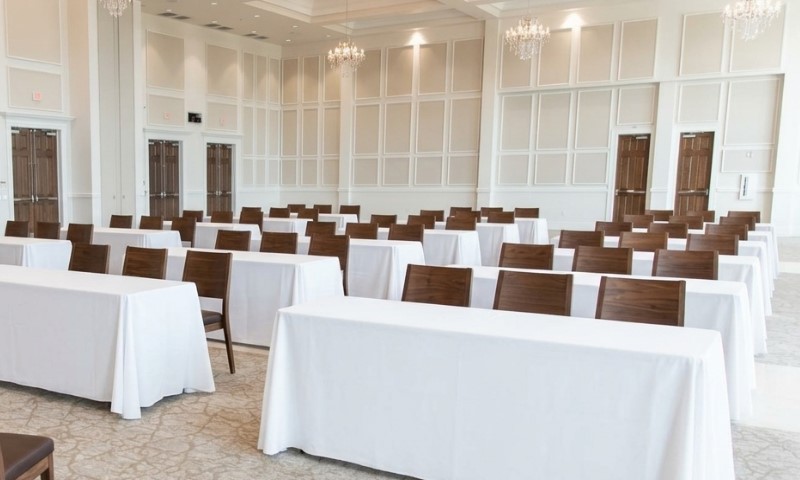
Theatre-style seating works well for speaker-focused sessions. Classroom-style seating supports note-taking and training. Banquet seating fits meals and awards programs.
Reception-style layouts support networking and movement. Boardroom-style setups work well for executive meetings and focused discussions.
Breakout rooms or smaller meeting spaces can add major value.
Workshops, private meetings, networking sessions, group activities, and speaker preparation often need separate areas. Without these spaces, event flow can become awkward or crowded.
Attendee behavior should guide layout decisions, especially when guests need to move through several activities in one program:
- Listening to speakers
- Dining
- Dancing
- Networking
- Viewing exhibits
- Visiting sponsor tables
- Moving between sessions
Clear pathways, comfortable seating, good acoustics, and unobstructed sightlines help the event run smoothly.
Stage visibility is especially important for presentations, panels, awards, and entertainment.
Evaluate Catering and Services

Catering can strongly shape attendee satisfaction. Planners should ask if a venue offers in-house catering or allows outside vendors.
In-house catering can simplify planning, while outside vendors may offer more control over menu style, pricing, or cultural food needs.
Menu quality, variety, presentation, and service style should be reviewed carefully. Food should match the tone and schedule of the event.
Light refreshments may work for short seminars, while formal dinners may suit gala events.
Networking receptions may need passed appetizers, food stations, and beverage service. Working lunches should be efficient, easy to eat, and timed around the agenda.
Dietary requirements need early attention so guests feel safe and respected. Needed options may include:
- Vegetarian meals
- Vegan meals
- Allergy-friendly choices
- Gluten-free choices
- Culturally appropriate dishes
- Clear food labeling
- Trained service staff
Service support can also influence event quality. Event managers, coordinators, technical staff, security teams, and housekeeping crews help keep the event organized and responsive.
An all-inclusive package may provide better value for some events, while à la carte pricing may work better for planners who need more control.
Compare Budget and Value
Venue cost should be reviewed as a full event expense, not just a base rental fee.
Rental pricing may look reasonable at first, but final costs can rise after catering, AV equipment, staffing, setup, décor, overtime, service charges, and hidden fees are added.
Detailed quotations are important before booking. A clear proposal should list included items, required add-ons, taxes, service charges, cancellation terms, payment schedule, and overtime rates.
Careful review helps avoid budget surprises later.
Cost per attendee can offer a more accurate comparison than headline rental price alone.
A venue with higher rental pricing may still offer better value if it includes tables, chairs, linens, kitchen access, basic AV, technical support, staffing, and event coordination.
A lower-priced venue may cost more after outside rentals and services are added.
Strong value depends on the full package, not only the posted price:
- Location
- Comfort
- Service
- Technology
- Food
- Flexibility
- Brand alignment
Cheapest venue choice is not always the best value. Most expensive option is not always the best fit.
Negotiation can also help control costs. Off-peak dates, weekday bookings, repeat events, multiple-room reservations, and long-term partnerships may open room for better pricing or added benefits.
Summary
Successful venue selection starts with clear goals, realistic planning, and close attention to guest experience.
The right venue choice should align with event’s purpose, audience needs, budget, logistics, technology needs, catering plans, and company brand.
The best venue choice is not always the largest, cheapest, or most expensive option.
The strongest choice is the one that delivers overall value while supporting a smooth, professional, and comfortable experience for every attendee.