
A VPN, or virtual private network, creates an encrypted tunnel between your device and a VPN server.
That tunnel helps hide your IP address and makes your internet traffic harder for outsiders to read or trace.
Secure VPN tunnels often rely on protocols such as IPsec and TLS, which help protect data while it moves across the internet.
A more useful question than “What does a VPN do?” is “Do I actually need one right now?” Value usually depends on how you use the internet.
Privacy concerns, public Wi-Fi, remote work, travel, and restricted access are the situations where a VPN matters most.
VPNs are now a common cybersecurity tool for both personal and business use.
1. Better Online Privacy
Online privacy has become a bigger concern for everyday users, not just people in technical fields.
Many websites, apps, ad networks, and internet providers collect pieces of browsing behavior and connect them into a larger profile.
That profile can then shape the ads you see, the offers you get, and the way companies classify your interests and habits.
A VPN helps reduce that exposure by hiding your IP address and routing your traffic through an encrypted connection.
As a result, advertisers, websites, and internet providers have a harder time building a profile around your activity in the usual way. Protection is not absolute, but it does make casual tracking far more difficult.
Data collection happens constantly in normal internet use. Visiting a site, opening an app, clicking a product page, or searching for a topic can all add to a growing record of your behavior.
A VPN cuts down on how much of that activity can be tied directly to your connection, which is a major reason many people now see it as a practical privacy tool instead of an optional extra.
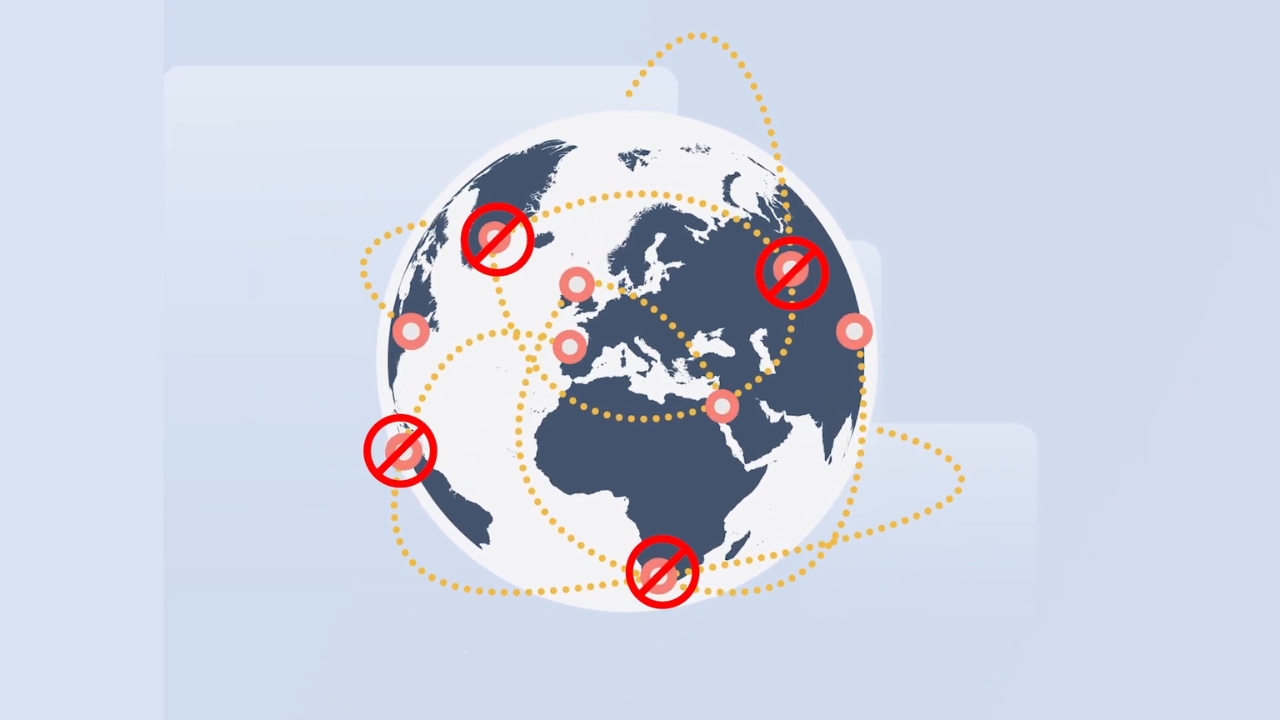
Anyone concerned about shrinking online privacy in 2026 has a strong reason to consider a VPN. Less visibility into your browsing habits means more control over your personal data and fewer easy openings for routine tracking. Location-based restrictions affect more than streaming libraries. Location restrictions do not affect only entertainment. Some business websites, online tools, and information portals limit access by region as well. In some cases, a VPN can also help users reach safe information and services that are restricted in certain countries. Many online services check where a user is connecting from and then limit content, features, or account access based on region. That can become frustrating very quickly, especially during travel. Some users also look for access to region-limited betting platforms such as Bet at Home, though any access should always follow local laws and platform rules. A VPN can help by letting you connect through servers in other regions. That makes it possible to appear as though you are using the internet in a different location, which can help with access to services limited by country or region. Travelers often use this option to reach home-country subscriptions, banking tools, account dashboards, or other services that work best with a local connection. Business use matters here, too. Some websites, software platforms, and information portals restrict access based on region, even when the user is authorized to view them. In some situations, a VPN can also help people reach safe information and services that are limited in certain countries. Public Wi-Fi is convenient, but convenience often comes with extra risk. Hotels, airports, coffee shops, campuses, libraries, and coworking spaces all offer easy access, yet many of those networks are not properly secured. Some are open by design, while others are badly configured or easy for attackers to imitate. A VPN adds encryption to your traffic on those networks, which makes interception much harder. That matters most when you are handling sensitive tasks in public, such as signing in to accounts, checking financial information, shopping online, or sending work files. Without that added protection, data moving across an unfamiliar network can be easier to spy on. Risk is not limited to poorly secured routers. Fake hotspots are another common threat. Attackers can create a network name that looks legitimate, wait for people to connect, and then try to capture logins or other personal data. A VPN helps reduce that danger because encrypted traffic is far less useful to anyone trying to watch what you are doing. Sensitive data moves across the internet more often than most people realize. Passwords, payment details, private messages, stored account sessions, and personal records can all travel through networks during normal daily use. Any time that information is exposed, the consequences can be serious. Encryption is one of the clearest VPN advantages. Strong VPN services often use 256-bit encryption, which helps protect data while it moves between your device and the VPN server. That added layer is valuable because it makes stolen traffic much harder to read and use. Damage tied to exposed information can go far past a single leaked password. Criminals may use stolen credentials to access bank accounts, misuse credit cards, break into shopping accounts, or take over services that store personal details. A VPN does not solve every security issue, but it does create another barrier between your data and anyone trying to intercept it. Not every slowdown is random. Internet providers sometimes reduce speeds for certain kinds of traffic, especially during heavy network use, near data caps, or after large amounts of activity. Streaming, gaming, and big downloads are some of the most common triggers. A VPN can help reduce that problem by hiding the type of activity connected to your traffic. When an ISP cannot easily see that you are streaming video, downloading large files, or gaming online, targeted slowdowns can become less likely. Resulting benefits may include smoother playback, less lag, and fewer frustrating speed drops during high-demand use. Mobile users can also run into traffic limits that affect video quality and overall speed. In some cases, unlimited plans still apply restrictions after a usage threshold is reached. Remote work has changed what secure access looks like for many people. Employees no longer connect only inside one office building. Freelancers, hybrid teams, contractors, and full-time remote staff often need company files, internal tools, and communication platforms while working in many different places. A VPN helps create a safer path into company systems by encrypting traffic and giving remote users a more protected way to connect. That is one reason VPNs have long been a standard business security tool. Safe access matters even more when work is done on home internet, hotel Wi-Fi, airport networks, or shared coworking connections. Companies also gain practical benefits at scale. A VPN can support secure simultaneous access with a simple login and allow teams to run multiple applications in a protected cloud environment. Employees can collaborate, review internal documents, and handle confidential material with less exposure than they would have on an open network. Many people want more control over their internet use, especially while traveling or using networks they do not trust. A VPN can help create that control by giving users more options for privacy, connection routing, and access conditions. Internet use can feel more stable and less exposed when more of your activity is shielded. Control matters for privacy-conscious users who want less profiling and less routine monitoring. It also matters for people who move between countries, rely on public networks, or need more consistent access to services that behave differently based on location. Restrictions on websites and online tools are part of that larger issue. Some countries, schools, offices, and local networks block certain services or sites. In lawful situations, a VPN can help users reach websites and services that would otherwise be unavailable on a given network. VPNs are no longer just tools for tech-savvy users. Practical value is clear for privacy, public Wi-Fi safety, travel, remote work, sensitive data protection, and more reliable access to region-limited services. The direct answer is simple. If you often use public Wi-Fi, travel internationally, work remotely, care about privacy, deal with ISP throttling, or need access to location-restricted content, now is a good time to get a VPN. Common advice across consumer and business use points to those same use cases, even though the focus may differ between privacy, convenience, and secure remote access.
2. Access to Geo-Restricted Content and Services
3. Stronger Security on Public Wi-Fi
4. Protection for Sensitive Data
5. Reduced Bandwidth Throttling
6. Safer Remote Work and Business Access
7. More Control Over Where and How You Browse
Summary